
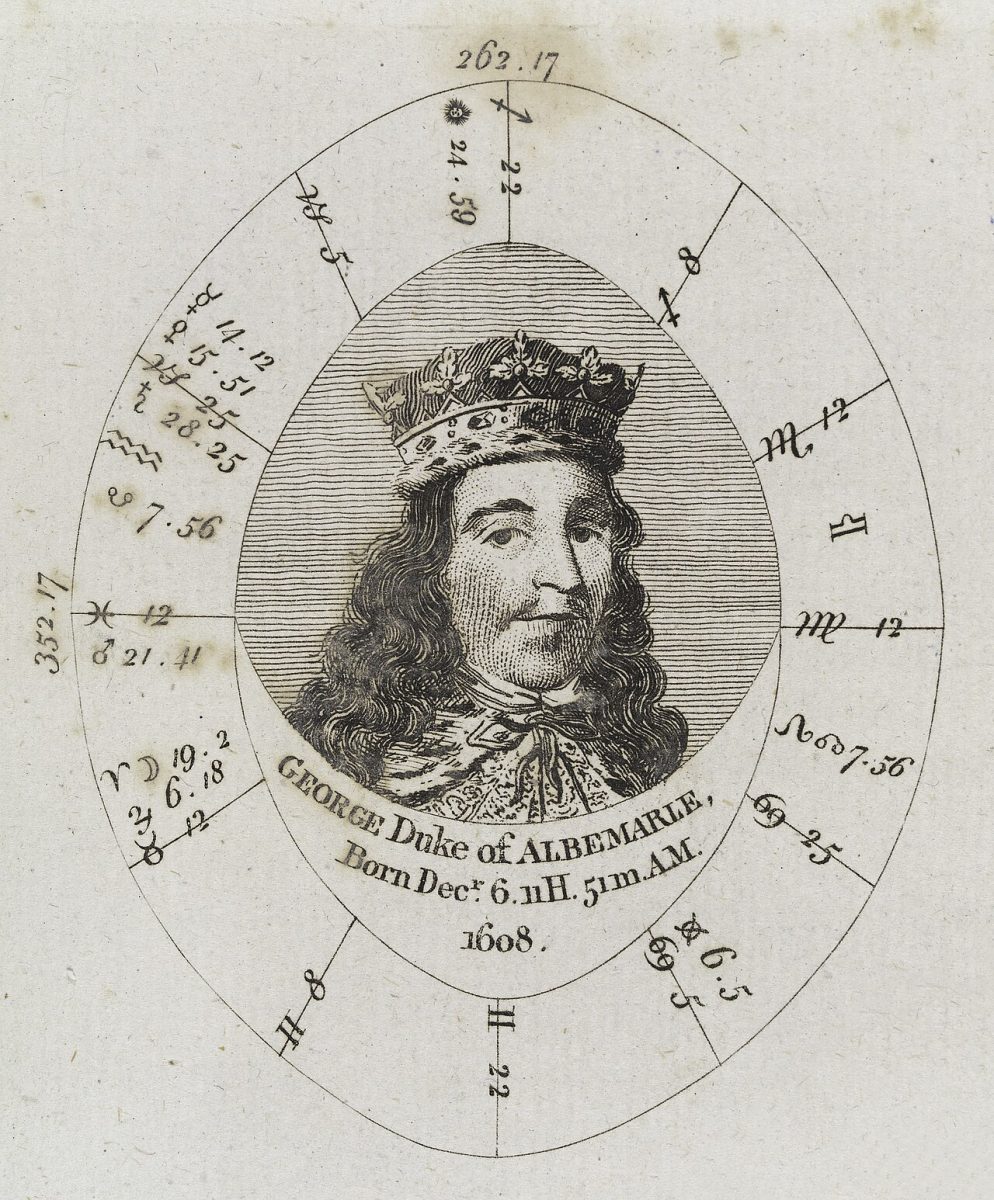
Few astrology terms create as much curiosity as retrograde planets. If you have ever heard someone say, “Mercury is retrograde,” you may have noticed the phrase is often linked to delays, misunderstandings, or a general sense that things feel off. But retrograde motion is more than a pop-culture buzzword. In astrology, it describes a planet appearing to move backward from Earth’s perspective, and that symbolism is used to interpret how planetary energy may turn inward, slow down, or ask for review.
Understanding retrogrades can make astrology feel much clearer. Instead of treating them as rare disasters, it helps to see them as periods of reflection and recalibration. Each planet has its own style of retrograde expression, and those differences matter.
What Retrograde Means in Astrology
In astronomy, retrograde motion is an optical illusion. Planets do not actually reverse direction in space, but from Earth they sometimes appear to move backward against the zodiac. Astrology uses that visible motion symbolically.
When a planet is retrograde in a birth chart or during a transit, astrologers often interpret its themes as being experienced in a less direct, more internalized, or more contemplative way. That does not mean the energy is blocked. It may simply show up differently than it does when the planet is moving forward, also called direct.
Think of it as a shift in pace and perspective rather than a cosmic warning sign.
Why Retrogrades Matter
Retrogrades are important because planets represent different life functions. When a planet appears to move backward, its symbolism may highlight areas where we are asked to reassess habits, revisit choices, or notice what has been overlooked.
Some common retrograde themes include:
- reviewing old patterns
- slowing down before acting
- reworking plans or commitments
- reconnecting with unfinished business
- gaining insight through reflection
Not every retrograde will affect everyone in the same way. A planet’s influence depends on the sign it is in, the houses it touches in a birth chart, and whether it forms aspects to other planets. Still, retrograde periods are often associated with a more inward or reflective tone.
Mercury Retrograde: The Most Familiar Example
Mercury retrograde is the best-known retrograde because Mercury is linked with communication, travel, technology, and information. When Mercury appears to move backward, people often pay closer attention to emails, schedules, devices, and conversations.
Astrologically, Mercury retrograde is a useful reminder to double-check details and avoid rushing. It is also a time when old conversations, people, or decisions may resurface. Rather than assuming everything goes wrong, it can help to see this period as a chance to revisit, revise, and clarify.
Common Mercury retrograde themes include:
- misread messages or mixed signals
- revisiting past ideas
- delays in plans or transportation
- technical glitches that require patience
Even so, Mercury retrograde is not automatically negative. It can be useful for editing, reviewing, reconnecting, and slowing mental noise.
Other Planetary Retrogrades and Their Meanings
Venus Retrograde
Venus rules love, values, beauty, and money. When Venus is retrograde, people often take a second look at relationships, spending habits, personal taste, and self-worth. This is less about instant gratification and more about asking what truly feels meaningful.
Mars Retrograde
Mars represents action, drive, and conflict. A Mars retrograde may feel like energy turns inward or becomes harder to direct. Instead of pushing forward aggressively, the lesson may involve refining motivation, managing frustration, or reconsidering how goals are pursued.
Jupiter Retrograde
Jupiter is connected with growth, belief, learning, and expansion. During Jupiter retrograde, growth may be more internal than external. People may question assumptions, revisit long-term goals, or rethink what “success” really means.
Saturn Retrograde
Saturn relates to structure, responsibility, and discipline. Saturn retrograde can bring attention to boundaries, commitments, and maturity. It may highlight where discipline is strong and where a more honest structure is needed.
Outer Planet Retrogrades
Uranus, Neptune, and Pluto spend a large portion of the year retrograde. Because these planets move slowly, their retrogrades are often generational as well as personal. Their influence may be subtler day to day, but they can still point to larger shifts in awakening, imagination, and transformation.
Retrogrades in a Birth Chart vs Transit Retrogrades
There is an important difference between a retrograde in your natal chart and a retrograde happening in the sky right now.
A natal retrograde means a planet was retrograde at the moment you were born. Astrologers may read that planet’s energy as more internal, self-directed, or developed in a less conventional way.
A transit retrograde is temporary and affects the collective atmosphere. It can bring a shared focus on review, revision, or delayed progress. These are different experiences, and both can matter in interpretation.
How to Work With Retrograde Energy
You do not need to fear retrogrades to use them well. A practical approach is to match the planet’s symbolism with the kind of review the period invites.
- Pause before making final decisions. If possible, use the time to gather information and reflect.
- Revisit unfinished tasks. Retrogrades are often useful for editing, repairing, and reorganizing.
- Notice recurring themes. A repeated issue may reveal something important about your habits or priorities.
- Communicate clearly. Especially during Mercury retrograde, clarity and patience help reduce misunderstandings.
- Stay flexible. Plans may change, and adaptation is often part of the lesson.
In this way, retrogrades can be productive rather than disruptive. They may not always feel convenient, but they often support deeper awareness.
Retrogrades are not simply about things going wrong. In astrology, they often point to a meaningful pause that helps reveal what needs attention, revision, or a fresh perspective.
The Bigger Astrological Lesson
Retrograde planets remind us that growth is not always linear. Sometimes progress comes through reflection, repetition, or a return to something we thought was already resolved. Astrology uses retrograde motion to symbolize that inner process.
Whether you are studying a birth chart or following current transits, retrogrades offer a way to understand timing with more nuance. They suggest that not every phase is meant for speed. Some are meant for insight.
When you understand retrogrades this way, they become less mysterious and more practical: a built-in reminder to slow down, review, and listen more carefully to what is unfolding.